What Counts as an Electrical Emergency — And What To Do Before the Electrician Arrives (2026 Guide)
Knowing what counts as a true electrical emergency can protect your home, your family, and your property. For residents in Onalaska, WI, understanding the difference between a minor inconvenience and a genuine hazard can make a critical difference in how you respond. This guide covers the warning signs of a real electrical emergency, the steps to take before a licensed electrician arrives, and when calling 911 is the right move.
True Electrical Emergencies: What They Look Like
A burning smell near an outlet, switch, or your electrical panel is one of the most serious warning signs in any home. It often means wiring insulation is melting or a connection is overheating somewhere in the circuit. Do not ignore it.
Sparking outlets are another clear signal. A brief spark when plugging something in can be normal, but a loud snap, a flash of light, or repeated sparking points to a dangerous fault. If a breaker trips repeatedly after you reset it, that pattern suggests an overloaded circuit or a fault that needs professional attention right away.
Sudden, unexplained power loss affecting more than one room may also indicate a deeper problem in your panel or main service line. This is especially common in Onalaska, WI, during Wisconsin's harsh winters, when older panels and aging wiring are placed under heavy electrical loads from heating systems running full time.
Other signs that may require emergency electrical services include:
- Outlets or switch plates that feel warm or hot to the touch.
- Lights that flicker across multiple rooms, not just one fixture.
- A buzzing or crackling sound coming from walls or the electrical panel.
- Visible scorch marks or discoloration around outlets or wiring.
What to Do Before the Electrician Arrives
Acting quickly and calmly before help arrives can limit damage and keep everyone safe. Do not attempt to diagnose or repair wiring yourself.
Step 1: Stop using the affected circuit. Unplug any devices connected to the problem area. Avoid touching the outlet, panel, or wiring with your bare hands.
Step 2: Turn off the circuit breaker. If you can safely reach your panel without walking through water or smoke, switch off the breaker for the affected area. If unsure, turn off the main breaker.
Step 3: Evacuate if you smell smoke or see flames. Get everyone out immediately and call 911 before calling an electrician.
Step 4: Do not use water on an electrical fire. Water conducts electricity and will make the situation worse. Use a Class C fire extinguisher if one is available and it is safe to do so.
Step 5: Call a licensed electrician. Once the immediate situation is controlled and everyone is safe, contact a professional who offers emergency electrical services in Onalaska, WI. Describe what you saw, heard, or smelled so the electrician can respond with the right tools.
When Should You Call 911 Instead of an Electrician?
Call 911 first when there is active fire, visible smoke spreading through the home, or if anyone has been shocked or injured. An electrician handles the electrical problem once the scene is safe. Emergency responders handle the immediate life-safety threat. These two responses can happen at the same time.
If a downed power line is involved, including lines that may have fallen during a Wisconsin ice storm or high-wind event near Onalaska, keep a wide distance and call 911 and your utility company immediately. Never approach a downed line.
Are Tripped Breakers Always an Emergency?
A single tripped breaker that stays off after one reset is often not an emergency. The concern arises when a breaker trips repeatedly after each reset, trips alongside a burning smell, or when multiple breakers trip simultaneously without an obvious cause. Those patterns suggest a wiring fault or panel issue that warrants a prompt call to a licensed electrician.
Local Factors That Raise Electrical Risk in Onalaska, WI
Wisconsin winters put extended strain on heating systems, and many older homes in established neighborhoods like the Sand Lake Road corridor and Valley View area may still have aging wiring or panels not designed for today's electrical loads.
Ice storms and freezing temperatures can affect outdoor wiring, meter connections, and overhead service lines. After a major storm, check whether exterior fixtures, garage outlets, or outbuilding circuits are behaving differently than usual. Underground wiring near low-lying areas along the Mississippi River corridor can also be vulnerable to ground saturation that affects conduit over time.
If your home relies on electric heat, sump pumps, or medical equipment, an unexpected power disruption may rise to the level of requiring emergency electrical services much faster than it would in a milder climate. When in doubt, calling a licensed electrician to assess the risk is always the right choice rather than waiting.
Get Help From a Trusted Local Electrician
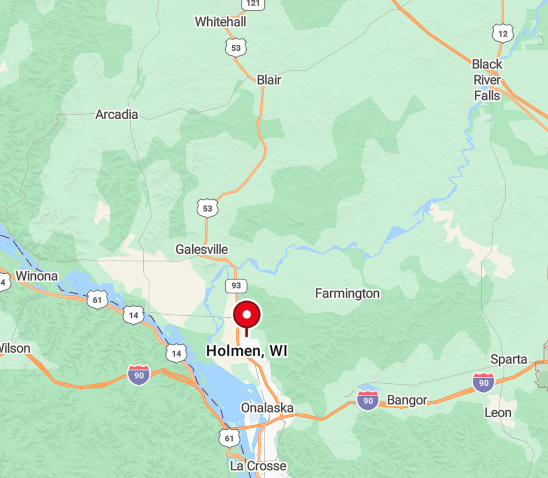
When an electrical situation cannot wait, you need a responsive, licensed team that knows the area. Stetter Electric is locally owned and operated in Holmen, WI, and serves Onalaska and the surrounding Coulee Region with prompt, professional emergency electrical services for homes and businesses. Call (608) 769-5890 to speak with a licensed electrician, or contact the team online to describe your situation and request a fast response. You can also learn more about residential electrical services available throughout Western Wisconsin.
For reviews and directions, visit
Stetter Electric on Google.
Recent Posts